Understanding Why Your Muscles Burn During High-Intensity Workouts
3 min read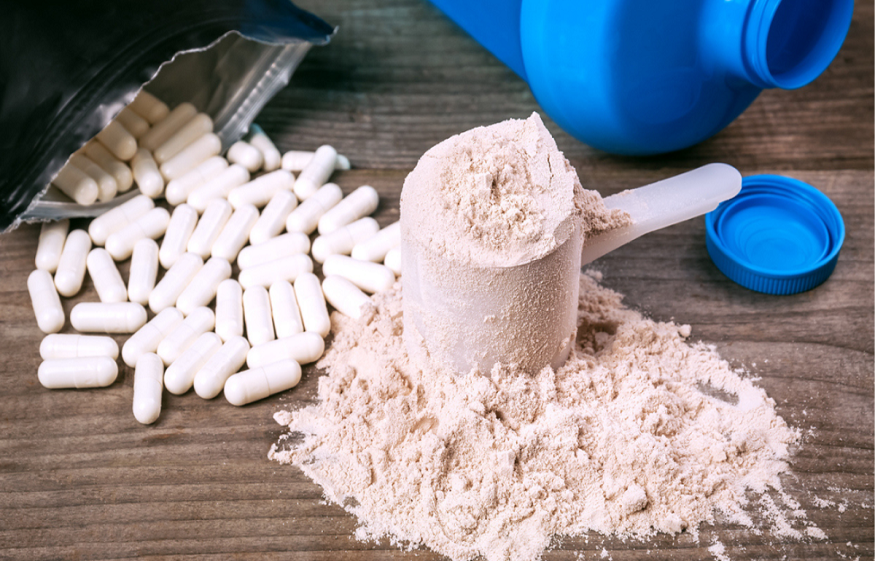
That burning in your legs during sprints isn’t your body throwing a fit about bad life choices. Real chemistry is happening that makes continuing feel completely impossible, even when you’re not actually exhausted yet. Everyone blames lactic acid, which is sort of right, but also misses the actual troublemaker. Understanding what’s really setting your muscles on fire helps you stop panicking about dying and figure out how to push through it.
1. Hydrogen Ions Are Creating The Problem
When muscles work hard and fast, they crank out energy more quickly than your normal oxygen-based system can keep up with. This creates byproducts, including hydrogen ions that pile up in muscle tissue like bills you’ve been ignoring. These ions lower the pH, making muscles acidic quickly. That acidic environment creates the burning that makes quitting seem like a fantastic idea.
Lactic acid is constantly blamed, but hydrogen ions are actually driving this disaster. Muscles can handle shocking amounts of abuse until pH drops too far, then performance absolutely craters.
2.Your Body’s Buffer System Gets Demolished
Muscles contain built-in buffering compounds that neutralize hydrogen ions and maintain a reasonable pH during work. Handles moderate stuff beautifully. Gets absolutely wrecked during intense efforts when hydrogen ions pour in like a flood. Once buffering capacity maxes out, the burn shows up and performance nosedives hard.
Imagine trying to scoop water out of a sinking boat with a teaspoon while it’s pouring in from five different holes. Sure, you’re technically doing something, but you’re still going under.
3. Carnosine Levels Matter More Than You’d Think
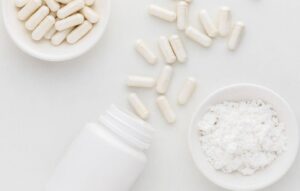
Here’s where things get useful for anyone grinding through high-intensity training. The benefits of beta-alanine are due to its conversion into carnosine, which acts as a buffer against hydrogen ions. More carnosine increases your buffering capacity, which slows the burning process and lets you maintain intensity until fatigue forces you to cut back or give up entirely. Muscle carnosine levels are significantly raised by taking beta-alanine regularly for a few weeks.
4.The Burn Feels Terrible, But Nothing’s Breaking
That intense burning feels like something catastrophic is going down inside your muscles. Reality check: it’s just temporary pH changes that reverse once you stop or ease up. The discomfort is absolutely legitimate, but it’s not signaling that tissue damage or injury is occurring. Just your body’s overdramatic way of announcing, “This is really hard, and our buffer system is running on fumes.”
You can push through it to some degree, though eventually, performance tanks so hard that continuing at high intensity becomes physically impossible, regardless of mental toughness or motivational YouTube videos.
5. Training Makes You Better At Handling It
Regularly exposing yourself to high-intensity efforts that create that burning sensation actually improves how your body handles the situation. Buffering systems adapt and get more efficient. Pain tolerance increases as you learn that the sensation is temporary and not signaling actual damage. Muscles adapt to clear hydrogen ions more effectively over time.
What This Means When You’re Actually Training
Understanding the burn helps you push through strategically instead of just suffering and praying it stops. It’s chemistry doing chemistry things, not damage. Your body has systems managing it that can be boosted through both supplementation and consistent training over time.
Knowing this won’t make the sensation enjoyable, but it removes some of the fear and mystery around why high-intensity exercise feels so much more brutal than cruising along at an easier pace that doesn’t make you question your life choices.