Invisible Braces for Teens: What Parents Need to Know Before Starting Treatment
4 min read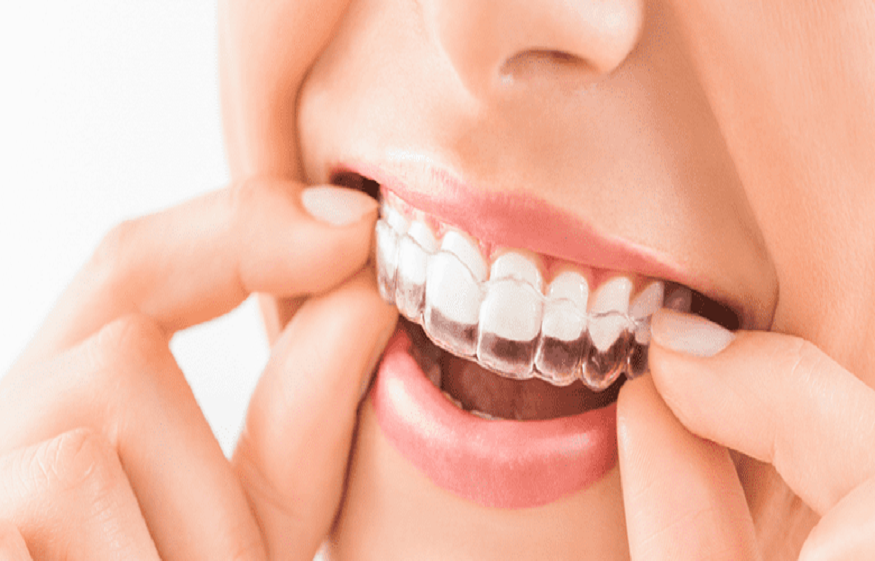
Parents often find themselves balancing practicality, confidence, and long-term dental health when deciding on orthodontic treatment for their teens. Invisible braces have become a popular choice across Australia, partly because they blend appearance, comfort, and convenience in a way that appeals to both teens and their parents. Understanding how these aligners work and what they demand day-to-day can make the decision more straightforward.
Why Teens Gravitate Toward Invisible Braces
Teenagers tend to value subtlety, especially when it comes to their smile. The invisible braces Sydney sit neatly over the teeth and don’t draw attention. Many teens feel more comfortable with an option that doesn’t change their look at school or in photos. Parents researching providers often begin by comparing clinics offering to see what’s available locally.
Beyond appearance, aligners are light and smooth, reducing mouth irritation caused by brackets and wires. Teens involved in sport also appreciate the reduced risk of lip injuries compared to traditional braces.
How Treatment Works
Clear aligners straighten teeth through a sequence of trays that guide incremental movement. Each set of aligners is worn for roughly one to two weeks before moving on to the next. Teens usually adapt quickly, though the routine requires commitment. Aligners are most effective when worn for the recommended hours every day.
Appointments for monitoring are typically shorter than traditional orthodontic visits. This suits families juggling school schedules, part-time jobs, and extracurricular activities.
The Importance of Responsibility
Because aligners are removable, they demand a level of discipline. Teens need to wear them for the recommended hours each day to keep treatment on track. Missing wear time can delay progress and, in some cases, affect the final alignment. Parents often support their teenagers in building consistent routines, especially during the first few months.
Teens also need to be careful about keeping their aligners safe. Lost trays are common early in treatment, particularly during school lunches or social outings. Many clinics can replace missing trays, but each replacement can slow the timetable. Setting up small habits—like using a dedicated aligner case—helps avoid these issues.
Eating and Oral Hygiene
One of the biggest advantages for teens is the freedom to eat normally. Unlike braces, aligners come out before meals, allowing teens to enjoy crunchy foods, chewy snacks, or sports drinks without worrying about damaging brackets. It also reduces the risk of food trapping in wires.
Oral hygiene tends to improve with aligners because teens can brush and floss without manoeuvring around orthodontic hardware. This can be a relief for parents who often monitor brushing habits during the early teen years.
Suitability for Different Orthodontic Needs
Clear aligners address a wide range of alignment issues, including crowding, spacing, and mild bite concerns. Some complex cases still require traditional braces. A full assessment helps determine which approach will produce the best long-term outcome.
For families comparing affordability, some clinics promote cheap invisible braces Sydney, which can help when orthodontics feels financially overwhelming.
Budgeting and Financial Considerations
Costs vary between providers and depend on how complex the teen’s case is. Parents often search for details about the invisible braces cost Sydney during their early research. Payment plans are common, and many find these arrangements help spread expenses across the treatment period.
A number of clinics offer affordable invisible braces Sydney, which can reduce financial pressure while still providing proper oversight. It’s wise to ask what’s included in the quoted price—scans, refinements, and retainers can affect the total.
Some families start conversations by looking into the general cost of invisible braces Sydney, and then narrow their options based on the teen’s orthodontic needs and the level of clinical guidance they prefer.
Comfort and Adjustments During Treatment
Teens sometimes notice mild pressure when switching to a new aligner. This is normal and usually settles within a day or two. Because the trays are smooth and custom-fitted, they tend to cause fewer sores or abrasions compared to bracket systems.
Traditional braces can become uncomfortable after adjustments, especially during sports or music lessons. Aligners reduce this risk. Many teens who play contact sports appreciate being able to remove their aligners and wear a mouthguard without navigating around brackets.
Supporting Your Teen Throughout Treatment
Parental involvement often determines how smoothly treatment goes. A simple reminder to keep the aligners in their case during meals or to switch to the next tray on time can make a noticeable difference. Encouraging teens to track their progress can also keep them motivated, especially once early improvements become visible.
Teens appreciate feeling in control of their treatment, and aligners give them that independence. When parents support without pressuring, teens tend to stay more consistent and confident through the process.
Final Thoughts
Invisible braces can be an excellent option for teens who value comfort, flexibility, and a subtle look. With guidance from a qualified dental professional and a bit of structure at home, many teens complete treatment with strong results and improved confidence in their smile. For parents weighing their choices, understanding the commitments, costs, and day-to-day realities makes the decision far clearer.